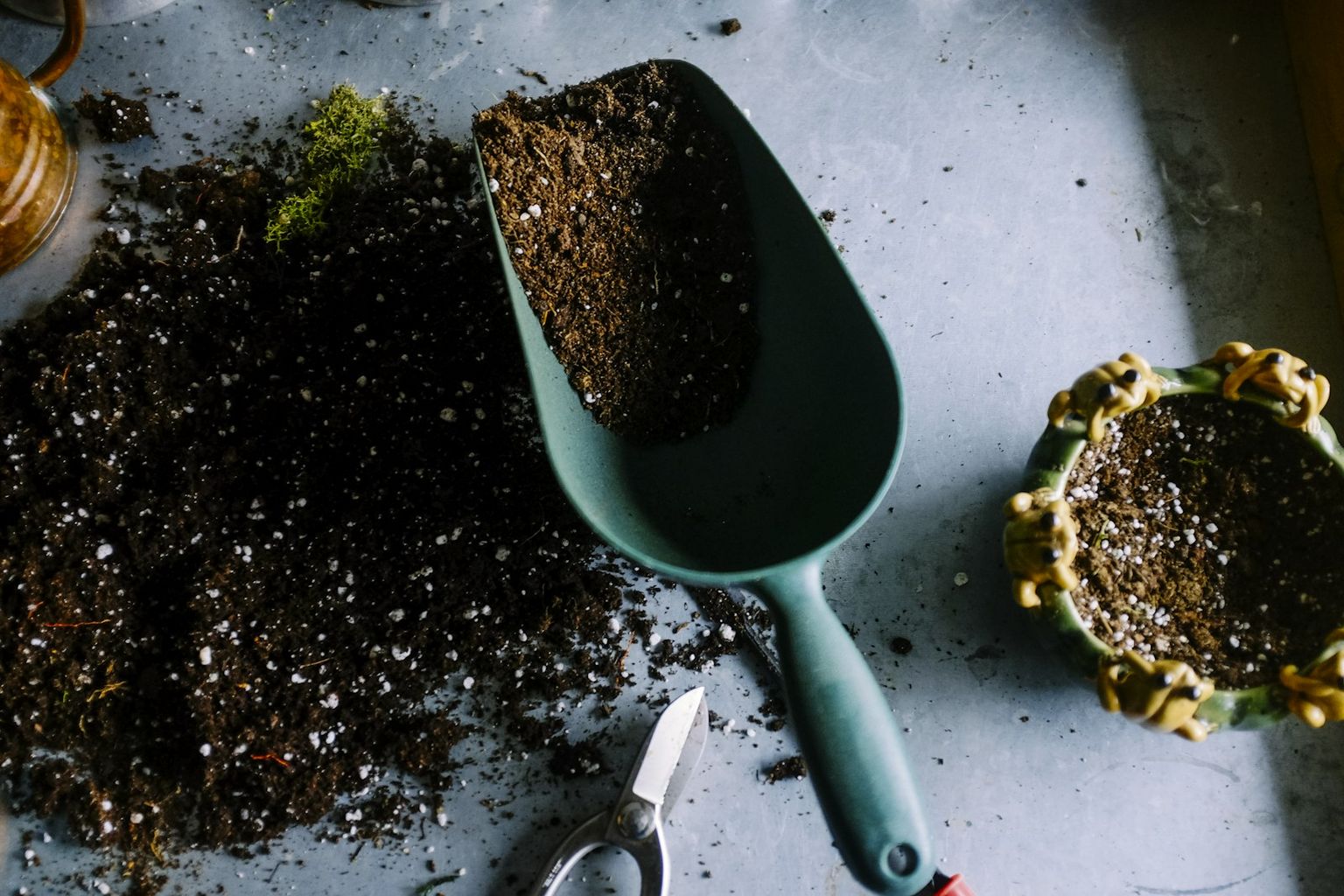
Why June Is a Turning Point in the UK Garden
June marks the moment the UK garden shifts from spring caution to full summer productivity. Soil temperatures across most of England, Wales, and lowland Scotland have now risen consistently above 10°C — often reaching 15–18°C by mid-month — which is the threshold at which warm-season crops truly thrive rather than merely survive.
Frost risk drops to near-zero after the first week of June in most regions (always check your local last-frost date; parts of northern Scotland and high ground can still see late frosts into early June). This means you can confidently move tender plants outside and commit to direct sowing without the protective measures needed in earlier months.
The longer days — June brings up to 16.5 hours of daylight around the summer solstice — also accelerate growth rates dramatically. Seedlings that would take six weeks in March can be ready to transplant in three to four weeks in June. If you missed sowing some crops in April or May, June gives you a genuine second chance for many of them.
The golden rule for June is to act early in the month. Every week of growing season matters for crops like sweetcorn and squash that need a long, warm run to mature before autumn arrives.
Vegetables to Sow in June
June is an excellent month for direct sowing fast-maturing and heat-loving vegetables outdoors. The following crops are all well-suited to June sowing across most of the UK.
Courgettes
If you did not sow courgettes earlier, it is not too late. Sow seeds on their sides, 2.5cm deep, directly into prepared beds or large containers. Space plants 90cm apart — courgettes are vigorous spreaders. The RHS Award of Garden Merit (AGM) cultivar ‘Defender’ (green, reliable, mildew-resistant) is a strong choice. ‘Romanesco’ (ridged, nutty flavour, excellent productivity) is another popular option. Expect your first courgettes 8–10 weeks after sowing.
Runner Beans and French Beans
Beans sown in June will crop reliably through August and September. Sow runner beans 5cm deep and 15cm apart at the base of supports — wigwams or 2.4m canes work well. For runner beans, try AGM cultivars ‘Enorma’ (long, stringless pods) or ‘White Lady’ (white-flowered, productive). For French beans, both climbing and dwarf types do well; AGM selections ‘Annabel’ (dwarf, no-support needed) and ‘Cobra’ (climbing, productive, long pods) are consistent performers.
Beetroot
Beetroot is one of the easiest crops to direct-sow in June. Sow clusters of 2–3 seeds 2.5cm deep at 10cm intervals, thinning to the strongest seedling. The AGM cultivar ‘Boltardy’ is particularly good for June sowings because it is slow to bolt — a critical trait as day length peaks around the solstice. ‘Pablo’ is another AGM choice with uniform, deep red roots ideal for small gardens.
Carrots
June carrot sowings escape the first generation of carrot fly and can mature for autumn harvest. Sow thinly, 1cm deep, in rows 15cm apart. Cover rows with fine mesh immediately after sowing to exclude carrot fly. AGM cultivars ‘Nairobi’ and ‘Flyaway’ both suit summer sowing — ‘Flyaway’ has the added benefit of some resistance to carrot fly. Carrots need loose, stone-free soil; if your ground is heavy, use containers or raised beds.
Salad Leaves and Lettuce
Continue sowing cut-and-come-again salad leaves every two to three weeks to maintain a continuous supply. In June, choose bolt-resistant varieties. AGM lettuce ‘Little Gem’ (compact cos, quick to mature) and ‘Chatsworth’ (butterhead, good heat tolerance) are reliable choices. Sow shallowly — 0.5cm deep — and water regularly in dry spells.
Sweetcorn
Early June is the last realistic sowing window for sweetcorn in most of the UK. Sweetcorn needs a long warm season, so every week counts. Sow in a block (not a row) to aid wind pollination, 30cm apart each way, 2.5cm deep. AGM cultivars ‘Swift’ (early-maturing, ideal for shorter UK seasons) and ‘Lark’ (large cobs, mid-season) are both reliable. In northern England and Scotland, use fleece to warm the soil before sowing and protect young plants in cool spells.
Winter Squash and Pumpkins
June is actually the optimal month to sow winter squash outdoors — earlier sowings often sit in cold soil without benefiting from the extra weeks. Sow 2–3 seeds per station, 2.5cm deep, thinning to one plant. AGM cultivars ‘Crown Prince’ (grey-blue skin, orange flesh, superb storage) and ‘Honey Bear’ (compact, rich nutty flavour, ideal for small gardens) are both excellent for UK conditions. Space generously: trailing types need 1.5–2m in each direction.
Cucumber (Outdoor / Ridge Types)
Outdoor ridge cucumbers can be sown directly in June once soil is warm. Sow 2cm deep, one seed per station, spacing 60cm apart. AGM cultivar ‘Marketmore’ produces straight, dark-green fruits and has good disease resistance. ‘Telegraph Improved’ can also be grown outdoors in a sheltered, sunny spot. Keep plants well-watered and mulch to retain moisture.
Tender Crops to Plant Out in June
If you started tomatoes, peppers, aubergines, cucumbers, and basil under cover in spring, June is when they move to their final outdoor or unheated glasshouse positions.
Tomatoes
Plant tomatoes outside after the last frost date for your area — for most of England, the first week of June is safe. If you are growing them on a patio or balcony, see our full guide to growing tomatoes in containers. Bury the stem up to the lowest leaves to encourage rooting. Proven AGM outdoor varieties include ‘Sungold’ (orange cherry, very sweet) and ‘Shirley’ (cordon, reliable in cool summers). ‘Gardener’s Delight’ (cherry, exceptional flavour), ‘Alicante’ (medium-sized, versatile), and ‘Moneymaker’ (classic cordon, consistent cropper) are also popular outdoor choices. Stake cordons immediately and pinch out sideshoots weekly. See our guide on how to grow tomatoes from seed in the UK for full growing details.
Peppers and Chillies
Peppers and chillies need the warmest spot available — a south-facing wall, glasshouse, or polytunnel. The AGM cultivar ‘Mohawk’ is one of the best choices for outdoor growing in the UK; it is compact, early to mature, and reliably productive even in cooler summers. Plant 45cm apart and water consistently; irregular watering causes blossom drop.
Cucumbers (Glasshouse)
Indoor cucumber plants raised from seed can be planted into glasshouse beds or large containers in June. Train them up vertical strings or trellis. Maintain humidity by misting and watering regularly. Glasshouse varieties like ‘Telegraph Improved’ produce long, smooth fruits when given the warmth they need.
For growing vegetables in limited space, see our advice on the best vegetables to grow in containers and the best grow bags for vegetables.
Herbs to Sow and Plant in June
June is excellent for both sowing tender herbs outdoors and planting out pot-grown herbs that have been hardening off.
Basil
Basil is the quintessential June herb — it thrives in warm conditions and sulks in anything below 10°C. Sow outdoors in a sheltered, sunny spot or in containers on a warm patio. The AGM cultivar ‘Aroma 2’ has strong fragrance, good leaf size, and reasonable bolt resistance. Pinch out growing tips regularly to keep plants bushy. Never let basil sit in waterlogged compost — it rots quickly.
Coriander
Coriander bolts rapidly in long June days, but if you choose bolt-resistant varieties and sow every two weeks you can maintain a supply. Sow thinly in rows 20cm apart and harvest young leaves regularly. Sow in light shade to slow bolting.
Dill, Fennel, and Chervil
All three do well from June sowings. Dill and fennel are best sown direct as they dislike root disturbance. Chervil prefers a semi-shaded position and remains productive into autumn from a June sowing.
Perennial Herbs (Plant Out)
June is a good time to plant out pot-grown rosemary, thyme, sage, and oregano into their final positions. These Mediterranean herbs thrive in the warmth and can establish well before winter. Choose a free-draining spot; improve heavy soil with grit before planting.
Fruit to Plant and Tend in June
Strawberries
Strawberries are fruiting through June. Remove runners promptly to direct energy into fruit production unless you want to propagate new plants (pin runners into small pots of compost for new plants, ready for replanting in August). Tuck straw under ripening fruits to keep them clean and deter slugs. AGM cultivars ‘Cambridge Favourite’ (mid-season, reliable, excellent flavour) and ‘Hapil’ (mid-to-late season, large fruits, good on light soils) are well-suited to UK conditions. See our full guide on growing strawberries in pots for container-specific advice.
Raspberries
Summer-fruiting raspberries such as AGM cultivar ‘Glen Ample’ (large, firm fruits, spine-free canes) are in or approaching crop in June. Net the fruit cage as berries colour up to exclude birds. Do not prune summer raspberries now — wait until after fruiting. Autumn-fruiting ‘Joan J’ (AGM, compact, spine-free) is still growing vegetatively; ensure canes are tied in and the bed is weed-free.
Blueberries
Container-grown blueberries are ripening from late June. Maintain consistently moist, acidic compost (pH 4.5–5.5) — use rainwater where possible; tap water is too alkaline for blueberries over time. AGM cultivars ‘Duke’ (early-cropping, sweet flavour) and ‘Spartan’ (mid-season, large fruits, reliable) are strong performers in UK containers.
General Fruit Care
Water newly planted fruit trees and bushes regularly — June can turn dry, and drought stress in the first growing season causes long-term problems. Apply a balanced granular fertiliser (such as Growmore) around the base, keeping it away from the trunk, and mulch to retain moisture.
Flowers to Sow in June
It is not too late to sow many annual flowers in June for late-summer and autumn colour. These can be sown direct into borders or into trays for later transplanting.
Sunflowers
A June sowing of sunflowers (Helianthus annuus) will flower from August. Sow 2.5cm deep, one seed per pot or station, in a sunny spot. Stake tall varieties as they grow. Choose shorter cultivars like ‘Pacino’ or ‘Sunbright’ for containers; taller types such as ‘Giant Single’ are better in borders with support.
Cosmos
Cosmos (Cosmos bipinnatus) grows quickly from a June sowing and produces feathery-leaved plants smothered in flowers from late summer. Sow direct or in trays, transplanting when roots fill the module. ‘Sensation Mixed’ and ‘Purity’ (white) are popular choices. Deadhead regularly to prolong flowering into October.
Nasturtiums
Nasturtiums (Tropaeolum majus) thrive in poor soil and are one of the easiest flowers to grow from seed. Sow direct, 2cm deep, in a sunny spot. Both flowers and leaves are edible — a bonus for kitchen gardeners. Avoid overfeeding; rich soil produces more leaves than flowers.
Hardy Annuals for Late Sowing
Cornflower (Centaurea cyanus), pot marigold (Calendula officinalis), and phacelia can all be sown in June for late-summer flowering. Phacelia is particularly useful as a fast-growing green manure or pollinator plant if you have a gap in the veg patch.
June Gardening Tasks Checklist
- Water consistently: June can be dry. Water in the morning at the base of plants to reduce fungal disease. Use mulch — bark chips, straw, or garden compost — to retain moisture and suppress weeds. For container plants, check daily; pots dry out rapidly in warm weather. See our guide to the best compost for container gardening for advice on moisture-retentive growing media.
- Pinch out tomato sideshoots: For cordon (indeterminate) varieties, remove sideshoots growing in the leaf axils each week. Bush (determinate) types do not need pinching.
- Erect supports: Put up cane wigwams, netting, or trellis for climbing beans, cucumbers, and sweetpeas before they need it — it is easier to install before plants take off than to retrofit later.
- Thin seedlings: Direct-sown carrots, beetroot, lettuce, and other crops need thinning to avoid overcrowding. Thinning is the single task most beginners skip — and it makes the biggest difference to yields.
- Weed regularly: June warmth accelerates weed growth. Hoe between rows on dry days (disturbed weeds die in sun quickly), and hand-weed around delicate seedlings.
- Net brassicas and soft fruit: Cabbage white butterflies and birds are active. Net brassica crops with fine mesh and cover soft fruit with bird-proof netting as it colours up.
- Feed container crops: From June, container-grown tomatoes, peppers, and cucumbers need a weekly liquid feed with a high-potassium fertiliser (tomato feed) once the first flowers appear.
- Check for pests: Aphids, slugs, and vine weevil are all active. Check under leaves regularly. Encourage natural predators — ladybirds, lacewings, and ground beetles — by leaving some rough edges in the garden.
- Deadhead flowers: Remove spent blooms from roses, geraniums, and annual flowers to extend the flowering season.
- Order bare-root strawberry runners: If you plan to replant your strawberry bed (recommended every 3–4 years), order certified virus-free runners now for August delivery.
Frequently Asked Questions
Is it too late to plant tomatoes in June?
No — June is actually the ideal month to plant out tomatoes in the UK, provided the risk of frost has passed for your area. Most of England is frost-free from the first week of June. Plants raised under cover in April or May can go straight into their final outdoor positions now. If you have not grown tomatoes from seed, you can buy plug plants or pot-grown plants from garden centres through June. Earlier outdoor planting in cool, frost-prone springs often results in stressed, checked plants; June-planted tomatoes frequently catch up quickly.
What salad leaves can I sow in June?
A wide range of salad leaves germinates well in June warmth, including lettuce (choose bolt-resistant varieties such as AGM ‘Little Gem’ or ‘Chatsworth’), rocket, mizuna, mustard leaves, land cress, and cut-and-come-again mixed salad. Sow every two to three weeks for continuous harvest. In hot spells, sow in light shade or wait for cooler evening temperatures before sowing, as some seeds become dormant above 25°C.
Can I still sow courgettes in June?
Yes. Courgettes sown in early June will begin cropping in August and continue productively until the first autumn frosts in October. This gives a good 8–10 weeks of harvest. Sow seeds on their sides (to prevent rotting) 2.5cm deep in pots or directly in prepared ground, and transplant or thin to one plant per 90cm station. Courgettes grow extremely fast once temperatures are reliably warm.
What should I do if I missed sowing in spring?
June is a genuine catch-up opportunity for many crops. You can still sow courgettes, French and runner beans, beetroot, lettuce, carrots, sweetcorn (early June only), cucumbers, and most herbs. Crops with very long growing seasons — parsnips, main-crop onions from seed, celery — are now too late for this year, but there is still plenty to fill the veg patch. If you are new to growing vegetables, our guide to starting a vegetable garden as a beginner in the UK will help you prioritise what to grow for the best return on your effort.
How often should I water in June?
This depends on your soil, recent rainfall, and what you are growing. As a general rule: check containers daily (they dry out fastest) and water when the top 2–3cm of compost feels dry. In borders, established plants with good mulch coverage may only need watering in prolonged dry spells. Newly sown seeds need consistent moisture until germination. Tomatoes and cucumbers need steady, regular watering — irregular watering causes blossom end rot and bitter cucumbers. Early morning watering at the base of plants is most efficient and reduces fungal disease risk.
What flowers attract pollinators in June?
June is the height of pollinator season in the UK, and your choice of flowers can make a significant difference to fruit set in the vegetable garden. Phacelia, borage, pot marigold (calendula), cornflower, and single-flowered dahlias are all excellent pollinator plants that can be sown in June. Hardy geraniums, lavender, and alliums (most still flowering in early June) are also highly attractive to bees. The RHS recommends choosing flowers with open, accessible centres — avoid densely double flowers that pollinators cannot access.
What to Do Next
June is a busy, rewarding month — but it sets the foundation for everything that follows in July, August, and September. Here are the most important next steps:
- Act early in June: The first two weeks are the most productive sowing window. Sweetcorn in particular should be sown by 10 June at the latest in most UK locations.
- Get your infrastructure in place: Supports, netting, and irrigation are easier to set up before crops need them. A quick half-day now saves hours of remediation later.
- Keep notes: Record what you sow, where, and when. This information is invaluable for planning next year and understanding what worked in your specific conditions.
- Order ahead for autumn: Spring-flowering bulbs are best ordered in summer while the ranges are full — see which to choose in our guide to spring bulbs to plant in September.
- Plan your July sowings: As June crops establish, start thinking about July successional sowings of beetroot, carrots, and salad leaves to maintain continuity into autumn.
For more growing help, explore these related guides:
- Starting a Vegetable Garden: UK Beginner’s Guide
- How to Grow Tomatoes from Seed in the UK
- Best Vegetables to Grow in Containers
- Best Compost for Container Gardening
- Best Grow Bags for Vegetables
- How to Grow Strawberries in Pots
- What to Plant in April: UK Monthly Planting Guide
- What to Plant in May: UK Monthly Planting Guide
Affiliate disclosure: Some links on this page are affiliate links. If you purchase through them, we may earn a small commission at no extra cost to you. We only recommend products we have independently assessed and believe offer genuine value to UK gardeners.
What You’ll Need This Month
June splits between two jobs: keeping spring plantings healthy and sowing a second wave of fast-growing crops. Here’s what helps with both.
Watering and Feeding
- Watering can or hose with adjustable nozzle — June can be dry and warm. Containers may need watering daily. A 10L watering can (£8–£15) with a detachable rose covers most needs.
- Liquid tomato feed — essential from now until September for tomatoes, peppers, aubergines, and cucumbers. Feed weekly once fruit starts forming.
- Mulch material — a 5–7cm layer of compost, straw, or bark around plants reduces watering frequency and suppresses weeds. Bark mulch costs roughly £5–£8 for a 50L bag.
Harvesting and Successional Sowing
- Garden scissors or snips — cleaner cuts than tearing by hand, reducing disease risk. A pair of quality snips costs £5–£12 and makes harvesting salad leaves, herbs, and courgettes faster.
- Seed trays or modules — for successional sowings of lettuce, radish, beetroot, and French beans. Sow a small batch every 2–3 weeks for continuous harvests into autumn.
- Shade netting — if temperatures push above 30°C, lettuce and spinach bolt quickly. Light shade cloth (30–40% shade) extends their productive life.
Pest Control
- Insect mesh or enviromesh — keeps carrot fly, cabbage white, and flea beetle off crops without spraying. Drape loosely over hoops and peg down the edges.
- Companion plants — marigolds (Tagetes) among tomatoes and French beans deter whitefly and attract hoverflies. Cheap to grow from seed or buy as plug plants (£2–£5 for a pack).
Leave a Reply