Best Cold Frame Greenhouses for Small Gardens UK (2026 Buyer’s Guide)
As an Amazon Associate I earn from qualifying purchases.
For most UK small gardens, a polycarbonate-glazed aluminium cold frame (around 120 cm × 60 cm) offers the best balance of frost protection, durability, and value. Expect to pay £50–£120 for a reliable model. If space is extremely tight, a mini greenhouse shelving unit with a fleece or PVC cover works well on patios and balconies. For year-round growing, consider a wooden cold frame with twin-wall polycarbonate lids—the extra insulation extends your season by up to eight weeks in either direction.
1. What Is a Cold Frame & Why Do UK Gardeners Need One?
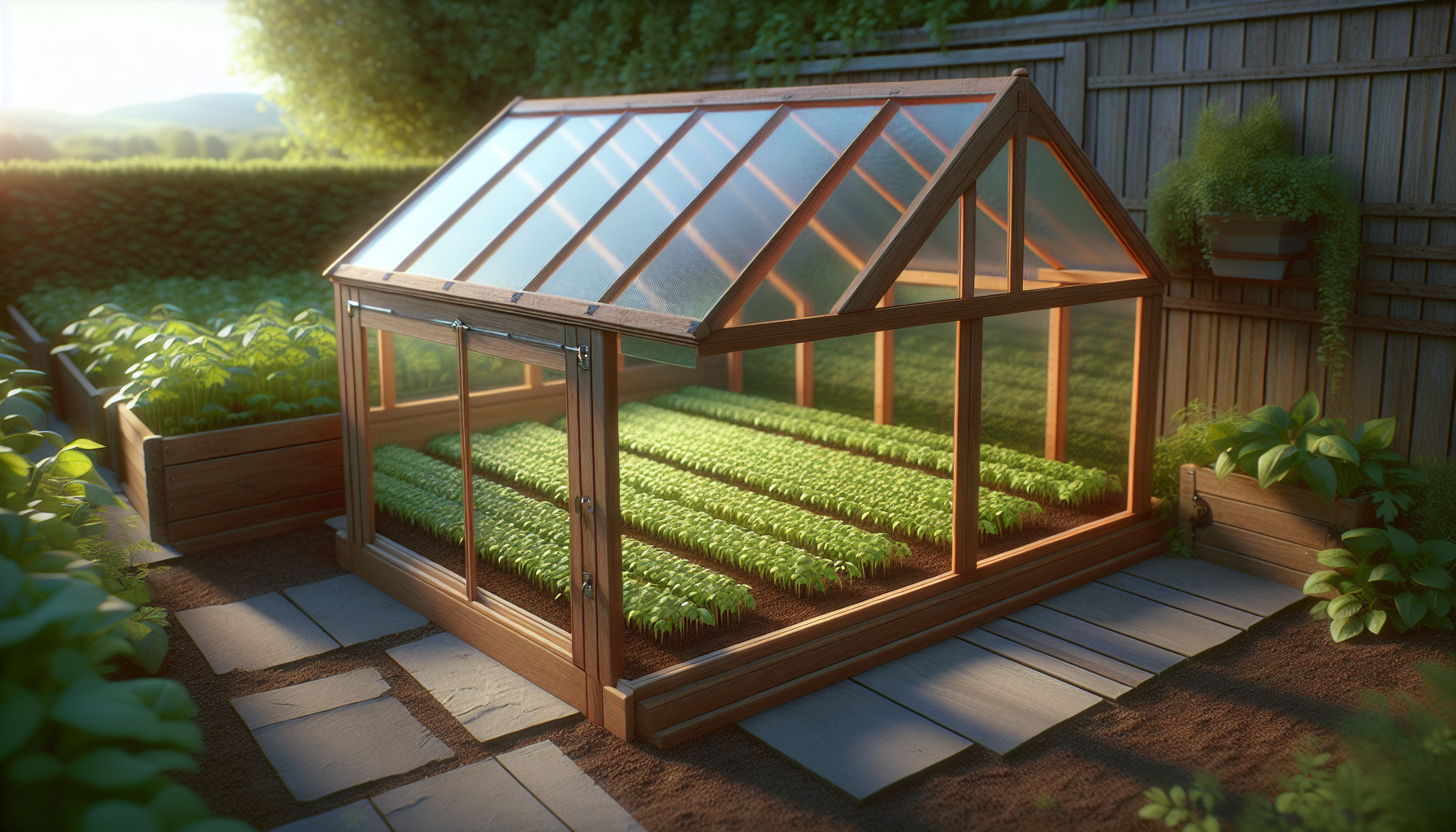
A cold frame is a low, unheated structure with a transparent lid that traps solar warmth and shields plants from wind, frost, and heavy rain. Think of it as a miniature greenhouse that sits directly on the ground or on a raised bed.
In the UK, where late spring frosts can strike well into May and autumn arrives by mid-October, a cold frame is one of the most cost-effective ways to extend your growing season. The Royal Horticultural Society recommends cold frames as essential kit for hardening off seedlings started indoors, overwintering tender herbs, and growing salad crops almost year-round.
For small gardens, patios, and balconies, cold frames are particularly valuable because they deliver genuine growing-season extension without the footprint, cost, or planning-permission headaches of a full-sized greenhouse. Even a single cold frame measuring 90 cm × 60 cm gives you enough space to harden off dozens of seedlings or keep a winter salad patch producing through to March.
If you’re just getting started, our guide to starting a vegetable garden in the UK covers the fundamentals before you invest in any structures.
2. Types of Cold Frame Greenhouse
The term “cold frame greenhouse” covers several distinct designs. Choosing the right type depends on your space, budget, and what you plan to grow.
Traditional Cold Frame
A rectangular box with a sloped, hinged transparent lid. Usually sits on the ground or on top of a raised bed. Available in wood, aluminium, or recycled plastic frames with glass or polycarbonate glazing. This is the classic design the RHS uses in its own trial gardens, and it remains the best all-round choice for most gardeners.
Mini Greenhouse (Shelving Unit)
A tall, narrow shelved unit covered with a zip-up PVC or reinforced fleece cover. Ideal for patios, balconies, and tiny courtyards. They hold many pots vertically in a very small footprint. The trade-off: less insulation than a solid cold frame, so they’re better suited to spring/summer use than serious frost protection.
Walk-In Mini Greenhouse
Larger framed structures (typically 140–200 cm tall) with a door, covered in polythene or polycarbonate panels. Good if you have a spare corner of the garden and want to stand inside to work. Still much smaller and cheaper than a permanent greenhouse.
Lean-To Cold Frame
Designed to sit flush against a south-facing house wall or fence. The wall acts as a thermal mass, absorbing heat during the day and releasing it at night. This design squeezes useful growing space out of otherwise dead areas alongside the house.
Cloche Tunnel / Low Polytunnel
A series of hoops covered with polythene or fleece, placed directly over a garden bed. Extremely affordable and easy to move. Best for protecting rows of salad crops, carrots, and low-growing vegetables. Less effective against hard frosts than rigid-sided cold frames.
3. Cold Frame Types at a Glance
| Type | Best For | Typical Size | Frost Protection | Price Range | Durability |
|---|---|---|---|---|---|
| Traditional cold frame | Hardening off, overwintering, salads | 90–120 cm × 60 cm | Good (–5 °C) | £40–£180 | High |
| Mini greenhouse (shelving) | Patios, balconies, seed starting | 60 cm × 40 cm × 130 cm | Moderate (–2 °C) | £20–£70 | Low–Medium |
| Walk-in mini greenhouse | Larger collections, tomatoes, peppers | 140–200 cm tall, 120 cm+ wide | Moderate (–3 °C) | £50–£200 | Medium |
| Lean-to cold frame | Side passages, south-facing walls | 120 cm × 60 cm | Good (–5 °C with wall mass) | £60–£200 | High |
| Cloche tunnel | Row crops, salads, temporary cover | 3–5 m long × 45 cm wide | Low (–1 °C) | £10–£40 | Low |
Frost protection ratings are approximate and assume no additional insulation (e.g., fleece liners or bubble wrap).
4. Key Buying Criteria
Size & Footprint
Measure your available space before you shop. A standard cold frame of 120 cm × 60 cm fits neatly against a fence or at the end of a raised bed. For balconies, a mini greenhouse shelving unit with a 60 cm × 40 cm footprint is more practical. Remember to leave enough clearance to open the lid fully—most cold frames need at least 30 cm of space behind the hinge.
Frame Material
- Aluminium: Lightweight, rust-proof, and virtually maintenance-free. The most popular choice for UK cold frames. Look for powder-coated finishes for extra durability.
- Timber: Better insulation than metal. Hardwood (cedar, larch) lasts 15–20 years; softwood needs treating every couple of years. Heavier, which is an advantage in windy gardens.
- Recycled plastic / composite: Rot-proof and surprisingly sturdy. Increasingly available from UK retailers. A solid middle ground between aluminium and wood.
Glazing Material
- Twin-wall polycarbonate: The best all-rounder. Lightweight, shatterproof, and provides good insulation thanks to the air gap between layers. The RHS recommends polycarbonate for gardens with children or pets.
- Single-wall polycarbonate: Cheaper but less insulating. Fine for spring and summer use.
- Horticultural glass: Excellent light transmission. Heavier and breakable, but gives a traditional appearance. Best for sheltered spots.
- Polythene / PVC covers: Budget option. Expect to replace covers every 1–3 seasons depending on UV exposure.
Ventilation
Overheating is a bigger killer than frost for plants in cold frames. A lid that props open at multiple angles is essential. Automatic vent openers (wax-cylinder type, around £15–£25) are a worthwhile upgrade—they open the lid when the temperature rises and close it again as it cools, even when you’re not home.
Assembly & Portability
Check reviews for assembly difficulty before buying. Bolt-together aluminium frames typically take 20–40 minutes. Wooden cold frames may arrive flat-packed or fully assembled. If you rent your home or like to rearrange your garden, choose a design you can move without dismantling.
For more on equipping your growing space, see our guide to the best gardening tools for beginners.
5. Budget Guide: What to Expect at Every Price Point
£20–£50: Starter Tier
At this price you’ll find mini greenhouse shelving units with PVC covers and basic cloche tunnels. Perfectly functional for hardening off seedlings in spring and protecting salads into autumn. Expect to replace PVC covers every couple of years. Available widely from B&Q, Wilko, and Amazon UK.
£50–£100: Best Value
This is the sweet spot for most small-garden growers. You can get a solid aluminium cold frame with polycarbonate glazing (single or twin-wall) in a useful 120 cm × 60 cm size. Many models include adjustable lid props. Check Thompson & Morgan, You Garden, and Suttons for seasonal offers in this range.
£100–£200+: Premium
Expect hardwood-framed cold frames with twin-wall polycarbonate lids, larger double-bay designs, or walk-in mini greenhouses with polycarbonate panels. Worth the investment if you plan to grow year-round or want a structure that will last a decade or more without maintenance. Crocus and Harrod Horticultural carry premium options.
Whatever your budget, pair your cold frame with quality growing media. Our guide to the best compost for container gardening covers what works for seed starting and potting up.
6. How to Use a Cold Frame Through the Seasons
Spring (March–May)
This is peak cold frame season. Use it to harden off seedlings started indoors or under LED grow lights. Place tender seedlings inside during the day with the lid propped open, then close it at night. Gradually increase ventilation over 7–14 days before transplanting outdoors. Direct-sow salad crops and radishes inside the cold frame from March for early harvests.
Check our April planting guide for crops that benefit from cold frame protection this month.
Summer (June–August)
Ventilation is critical. Keep the lid fully open on warm days or remove it entirely. Use the cold frame to grow heat-loving crops like melons, aubergines, and peppers that struggle in open UK gardens. The trapped warmth and wind protection can make the difference between a decent harvest and none at all.
Autumn (September–November)
As temperatures drop, close the lid progressively. Sow winter salad crops (lamb’s lettuce, winter purslane, land cress) directly in the cold frame from September. Move tender herbs like basil indoors, but hardier herbs (parsley, coriander, chervil) will thrive under cover well into November.
Winter (December–February)
Line the inside of the cold frame with bubble wrap for extra insulation on the coldest nights. Protect overwintering crops (broad beans, garlic, spring cabbage) and keep pots of alpines or tender perennials safe from waterlogging. On mild days, crack the lid open to prevent fungal problems from stagnant, humid air.
For a full calendar of seasonal tasks, see our seasonal gardening hub.
7. What to Grow in a Cold Frame
A cold frame extends your sowing and harvesting windows by four to eight weeks in either direction. Here are the best candidates:
Salad Leaves (Almost Year-Round)
Lettuce varieties like ‘Little Gem’ and ‘Winter Density’ are ideal for cold frame growing from early spring through late autumn. Sow in succession every 2–3 weeks for continuous harvests. Add spinach ‘Lazio’, rocket, and lamb’s lettuce for variety.
Herbs
Parsley, coriander, and chervil grow well under cold frame cover from autumn through spring. In summer, use the cold frame for basil, which demands the extra warmth UK conditions rarely provide outdoors.
Seedlings for Transplanting
Start courgettes, squash, sweetcorn, and French beans in pots inside the cold frame from mid-April. They’ll be ready to transplant after the last frost (typically mid-May in most of England, later in Scotland).
Root Vegetables
Quick-maturing carrots like ‘Nairobi’ can be sown directly in a deep cold frame from February for harvests six to eight weeks earlier than outdoor sowings. Radishes are even faster—ready in 25–30 days.
Overwintering
Protect autumn-planted garlic and broad beans. Overwinter tender perennials in pots. Keep strawberry runners frost-free for early spring planting.
For container-based growing, our guide to pots and containers for beginners pairs well with cold frame gardening.
8. Where to Position Your Cold Frame
Position makes a genuine difference to performance. Follow these principles:
- Face south or south-west. Maximum sun exposure in the UK means pointing the glazed lid towards the south. The sloped lid should face the sun, with the higher back edge to the north.
- Shelter from prevailing wind. A fence, wall, or hedge on the north and west sides reduces heat loss dramatically. A lean-to design against a south-facing brick wall is the warmest possible arrangement.
- Level ground with good drainage. Standing water under a cold frame causes root rot. If your soil is heavy clay, place the frame on a gravel pad or on top of a raised bed.
- Within reach of a water source. Cold frames dry out faster than open ground because rain doesn’t reach the soil inside. You’ll need to water regularly, especially in summer.
- Avoid overhanging trees. Falling branches risk breaking glazing, and shade reduces the warming effect. Dripping sap also fouls polycarbonate panels.
9. Maintenance & Common Mistakes
Routine Care
- Clean glazing in early spring and autumn. Dirty panels reduce light transmission by up to 30%. Warm soapy water and a soft cloth are all you need.
- Check hinges and props before each season. Replace worn-out gas struts or wooden props—a lid that slams shut in a gust will damage plants and glazing.
- Treat timber frames annually with a plant-safe wood preservative. Avoid creosote near edible crops.
- Clear debris from around the base. Slugs and snails shelter in leaf litter against cold frame walls.
Common Mistakes to Avoid
- Forgetting to ventilate. On a sunny April day, temperatures inside a closed cold frame can exceed 40 °C within an hour. Seedlings cook. Prop the lid open or fit an automatic opener.
- Overwatering in winter. Cold, damp conditions cause damping off and botrytis. Water sparingly and ventilate on dry days.
- Ignoring pests. Slugs love the warm, moist microclimate. Check under the frame and around the edges regularly. Copper tape around the base helps.
- Placing on bare, wet soil without drainage. Raise the frame on bricks or a gravel layer if drainage is poor.
10. Frequently Asked Questions
Do I need planning permission for a cold frame or mini greenhouse in the UK?
No. Cold frames and small greenhouse structures fall under permitted development for most residential properties. They’re classed as temporary garden structures. However, if you live in a listed building, conservation area, or have specific covenants on your property, check with your local planning authority first.
Can a cold frame replace a greenhouse?
For many small-garden growers, yes. A cold frame handles the three most common greenhouse tasks: hardening off seedlings, extending the growing season, and overwintering tender plants. Where it falls short is for tall crops (tomatoes, cucumbers) that need headroom, and for mid-winter seed starting, which really requires supplemental heating. If you grow mainly salads, herbs, and compact veg, a cold frame is more than sufficient.
Is polycarbonate or glass better for a cold frame?
Polycarbonate is the better choice for most UK gardens. Twin-wall polycarbonate insulates better than single-pane glass, is virtually shatterproof (important if you have children or pets), and weighs less. Glass transmits fractionally more light and looks more traditional, but the practical advantages of polycarbonate outweigh this for most people. The RHS uses polycarbonate in many of its own growing structures.
How much warmer is it inside a cold frame than outside?
On a sunny day, a closed cold frame can be 10–20 °C warmer than the ambient temperature. At night, the difference narrows to about 3–5 °C above outside temperatures. Adding bubble wrap insulation to the inside walls can improve nighttime heat retention by a further 2–3 °C. This is typically enough to protect hardy salads and overwintering crops down to about –5 °C outside.
Where is the best place to buy a cold frame in the UK?
For the widest selection, Amazon UK carries dozens of models at every price point. Specialist garden retailers like Thompson & Morgan, Suttons, and You Garden stock curated ranges with good buyer support. For budget options, B&Q, Wilko, and Screwfix are worth checking, especially during spring promotions. Crocus and Harrod Horticultural carry premium wooden and aluminium models if you’re willing to invest more.
What Next?
A cold frame is one of the smartest investments you can make for a small UK garden. Whether you choose a £25 mini greenhouse for your balcony or a £150 hardwood cold frame for your allotment, you’ll be harvesting fresh salads weeks earlier in spring and weeks later into autumn than your neighbours.
Pair your cold frame with the right soil, containers, and tools: