As an Amazon Associate I earn from qualifying purchases.
The right tools transform gardening from chore to pleasure. Attempting to dig with a cheap trowel that bends in heavy soil or prune with blunt secateurs that crush stems rather than cut them turns satisfying work into frustration.
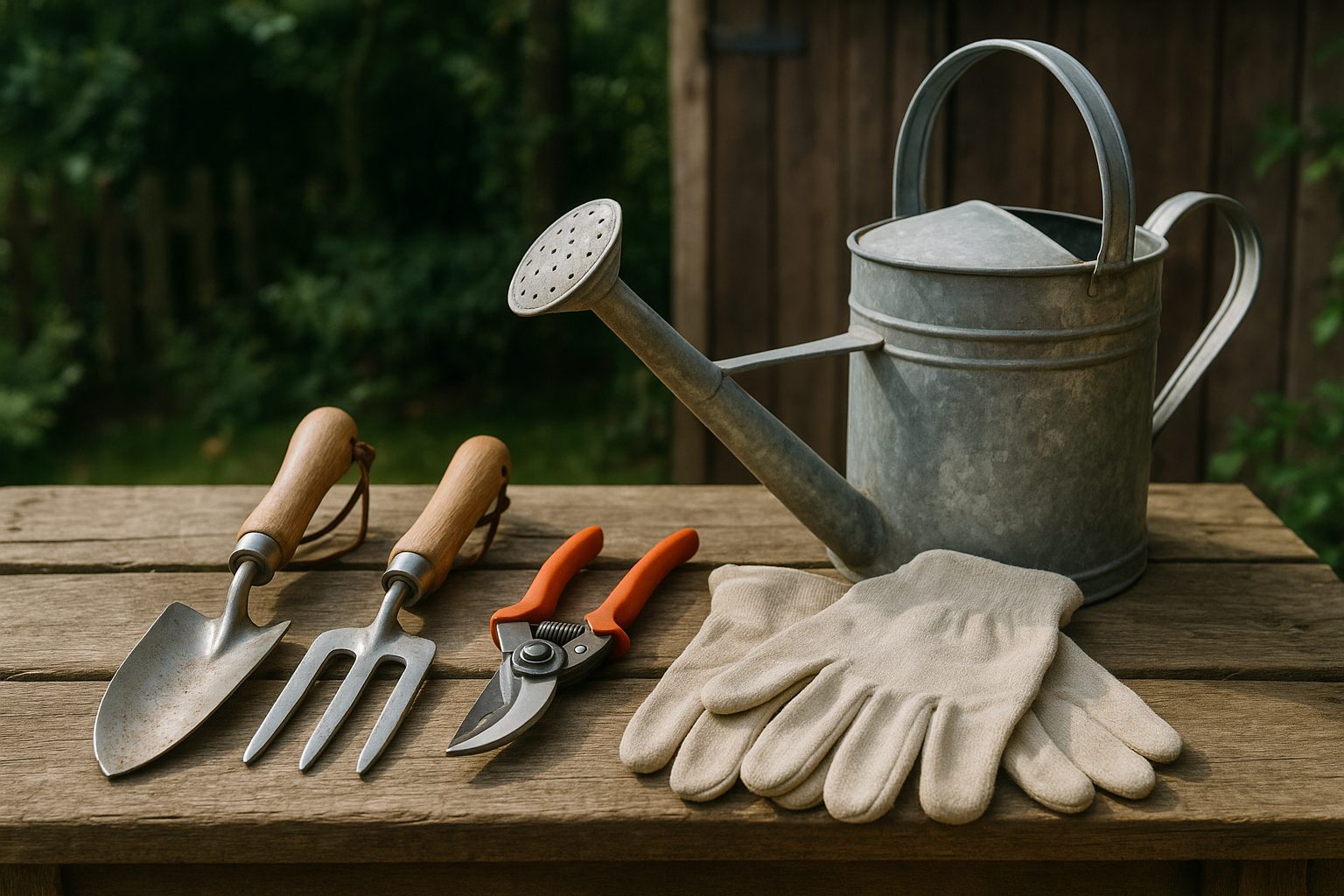
This guide covers essential tools for UK beginner gardeners — the 10 items that handle garden tasks without breaking the bank or requiring shed storage.
—
Quick Comparison: Essential Tool Kit
| Tool | Purpose | Budget Pick | Quality Pick | |
|---|---|---|---|---|
| Hand trowel | Planting, weeding | Spear & Jackson Basic | S&J Stainless | –15 |
| Fork | Soil prep, weeding | Wilkinson Sword | S&J Neverbend | –25 |
| Secateurs | Pruning, deadheading | Draper Bypass | Felco 2 | –45 |
| Watering can | Gentle watering | Haws Indoor | Haws Professional | –40 |
| Garden gloves | Protection | Showa Floreo | Goldleaf Dry Touch | –25 |
| Kneeler | Comfort, protection | Basic Foldable | Burgon & Ball | –30 |
| Hand fork | Weeding, cultivating | S&J Elements | Wolf-Garten | –20 |
| Pruning saw | Thick branches | pruningsaw-draper Draper 180mm | Silky Gomtaro | –45 |
| Garden line | Straight sowing | line-basic Simple Line | Burgon & Ball | –15 |
| Tool maintenance | Cleaning, sharpening | Basic Brush/Oil | Draper Kit | –20 |
—
The Essential 10: Tools You Actually Need
1. Hand Trowel
What it does: Transplant seedlings, dig planting holes, scoop compost, weed between plants
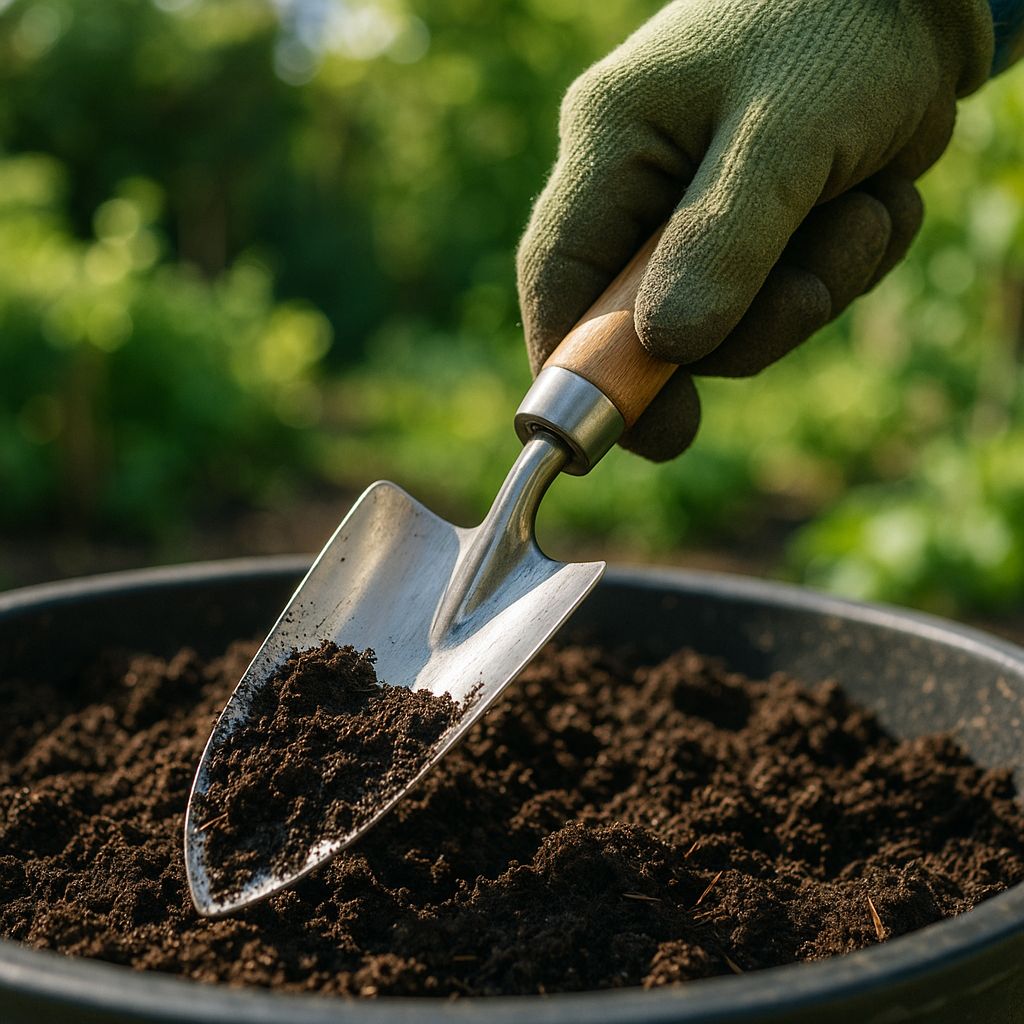
Why quality matters: Cheap trowels bend in heavy soil, snap at the handle join, rust within a season. A good trowel lasts decades.
What to look for:
– Stainless steel blade (doesn’t rust)
– Hardwood or fibreglass handle (won’t split)
– Tang extending into handle (strength)
– Comfortable grip for extended use
Budget choice: Spear & Jackson Elements — , perfectly adequate for occasional use
Investment choice: Spear & Jackson Stainless Steel — , lasts 20+ years
Avoid: Plastic trowels (flex, snap) and painted mild steel (rusts)
—
2. Garden Fork (Border Fork)
What it does: Loosen soil, lift weeds, break clods, aerate compost, dig up potatoes
Why beginners need it: Digging with a trowel is exhausting. A fork multiplies your effort and saves your wrists.
Border fork vs digging fork:
– Border fork: Smaller, lighter, easier for beginners — handles tasks
– Digging fork: Larger, heavier — for serious vegetable plots
What to look for:
– Socket construction (handle joins socket, not tang)
– Forged steel head (strength)
– Ash or fibreglass shaft
– D-grip handle (ergonomic)
Recommendation: Spear & Jackson Neverbend Professional — , lifetime tool
Maintenance: Clean after use, oil wooden handle annually, sharpen tines if blunted
—
3. Secateurs (Pruning Shears)
What it does: Cut stems up to finger thickness, deadhead flowers, harvest vegetables, shape shrubs
Bypass vs anvil:
– Bypass: Scissor action — clean cuts on living plants
– Anvil: Crushing action — only for dead wood
Beginners need bypass. Anvil secateurs damage living tissue.
What to look for:
– Bypass blade design
– Replaceable blade (Felco standard)
– Spare parts availability
– Comfortable hand size fit
Budget choice: Draper Carbon Steel Bypass — , sharpens easily
Investment choice: Felco Model 2 — , professional standard, 20+ year lifespan
Maintenance: Clean after use, oil pivot weekly, sharpen monthly during growing season
—
4. Watering Can
What it does: Water plants gently without washing away soil or damaging seedlings
Rose attachment: The perforated “rose” on the spout breaks water into fine droplets — essential for seedlings and delicate plants.
Size matters:
– 1–2 litres: Indoor plants, seedlings, conservatory
– 5 litres: General garden use, patio containers
– 9 litres: Large gardens, fewer refills
Material choice:
– Plastic: Lightweight, affordable, won’t dent
– Metal (galvanised): Traditional, durable, heavy when full
– Haws (plastic or metal): The gold standard, balanced, precise rose
Recommendation: Haws Professional 5L — , precise watering, lasts decades
Budget alternative: Haws Indoor 1L for seedlings + cheap 5L plastic for general use
—
5. Garden Gloves
What they do: Protect hands from thorns, blisters, soil-borne bacteria, and keep nails clean
Types for different tasks:
| Type | Best For | Features |
|---|---|---|
| Nitrile-coated | General gardening | Dexterity, grip, water-resistant |
| Leather | Pruning roses, brambles | Thorn protection, durability |
| Cotton | Light weeding, sowing | Breathable, inexpensive |
| Gauntlet | Rose pruning | Extended wrist/arm protection |
The beginner’s choice: Showa Floreo 370 — , nitrile-coated, dexterity for fine tasks, machine washable
Premium option: Goldleaf Dry Touch — , leather palm, breathable back, professional quality
Buy multiple pairs: Gloves get wet, muddy, lost. Having 3–4 pairs means you always have dry ones ready.
—
6. Kneeler or Kneeling Pad
What it does: Protects knees from hard ground, stones, and damp. Prevents back strain from bending.
Types:
Kneeling pad:
– Simple foam or gel cushion
– –15
– Light, portable, hangs on shed hook
Kneeler seat:
– Flips from kneeler to seat
– Handles for standing assistance
– –35
– Ideal for bad knees or back
Recommendation: Burgon & Ball Kneeler — , flips to seat, handles, worth the investment for anyone over 40
Budget choice: Basic foam kneeler — , perfectly adequate
Your knees will thank you: Gardening without knee protection causes cumulative damage. Protect them from your first day.
—
7. Hand Fork (Cultivator)
What it does: Weed between plants, break soil crust, aerate surface, mix in fertiliser
Why you need it: The fork handles soil between plants where a border fork won’t fit. Essential for weeding and soil maintenance.
What to look for:
– Three strong tines
– Comfortable handle
– Stainless or carbon steel
Recommendation: Spear & Jackson Elements — , matches their trowel for consistent quality
Alternative: Wolf-Garten multi-change — , interchangeable heads, ergonomic handle
—
8. Pruning Saw
What it does: Cut branches too thick for secateurs (over 2cm diameter)
Why beginners need one: Even small gardens have overgrown shrubs, dead branches, or thick stems that need removal.
Folding vs fixed:
– Folding: Safe storage, portable — –30
– Fixed blade: Faster cutting, professional use — –50
Tooth design:
– Curved blade: Faster cutting on living wood
– Straight blade: Better for tight spaces
Recommendation: Silky Gomtaro 210mm — , Japanese precision, cuts like a dream
Budget choice: pruningsaw-draper Draper Folding Pruning Saw — , adequate for occasional use
Safety: Always fold closed immediately after use. These blades are razor-sharp.
—
9. Garden Line (Marking String)
What it does: Mark straight rows for sowing vegetables, edging lawns, lining up hedges
Why precision matters: Straight rows:
– Look professional
– Maximise space efficiency
– Make weeding easier (you know where seedlings should be)
– Improve air circulation between plants
Types:
– Simple line: String on two sticks — , basic but functional
– Winding line: Retractable string in handle — , convenient
– Professional: Metal posts with sliding line — , most accurate
Recommendation: Burgon & Ball Line and Pins — , traditional design, accurate, satisfying to use
Alternative: Make your own with bamboo canes and garden twine —
—
10. Tool Maintenance Kit
What it does: Clean, sharpen, and protect your tools — extending life from years to decades
Basic kit ():
– Wire brush (cleaning soil off)
– Linseed oil (wooden handles)
– Multi-purpose oil (metal, mechanisms)
– Old towel or rag
Complete kit ():
– Draper Sharpening Kit — stone, file, oil
– Wire brush
– Linseed oil
– Multi-purpose oil
– Camellia oil (premium blade protection)
– Tool roll or rack
The 5-minute rule: Spend 5 minutes cleaning and oiling tools after each use. They’ll last 20 years instead of 2.
—
Tool Storage Solutions
For Small Spaces (Balcony, Patio)
Tool bag or bucket: –25
– Keeps tools organised
– Portable — take to planting spot
– Protects from weather
For Gardens with Shed
Wall-mounted tool rack: –40
– Tools visible and accessible
– Air circulation prevents rust
– Saves floor space
Rail system (Gerdmans, etc.): –60
– Flexible, expandable
– Hooks for every tool type
– Professional appearance
—
Where to Buy: Shop Recommendations
Garden centres (Dobbies, British Garden Centres, etc.):
– Handle tools before buying
– Check weight and balance
– Immediate purchase
– Higher prices but expert advice

Online (Amazon, etc.):
– Best prices, especially sets
– Read reviews for quality issues
– Can’t handle before buying
– Easy returns if unsuitable
Direct from manufacturers:
– Burgon & Ball, Felco, Haws
– Full range available
– Expert customer service
– Premium pricing
Charity shops/car boot sales:
– Vintage tools often better quality
– Requires knowledge to assess condition
– May need restoration
– Bargain prices possible
—
Budget Tool Kit (–70)
The essentials without luxury:
– Spear & Jackson trowel —
– Wilkinson Sword border fork —
– Draper secateurs —
– Haws 1L + plastic 5L —
– Showa gloves (3 pairs) —
– Basic kneeler —
– S&J hand fork —
Total: for quality basics that last 5+ years
Add later as budget allows: Pruning saw, kneeler seat, premium secateurs
—
Frequently Asked Questions
Q: Can I buy tool sets to save money?
A: Often false economy. Sets include tools you’ll never use while omitting essentials. Buy individual quality pieces as needed.
Q: Should I buy stainless steel or carbon steel?
A: Stainless for casual gardeners (no rust). Carbon steel for serious use (holds edge better, easier to sharpen).
Q: How do I know if a tool is good quality?
A: Check weight (quality steel is heavy), look for forged not stamped construction, check country of manufacture (UK, Germany, Japan, Sweden for premium).
Q: Can I share tools with neighbours?
A: Yes, but mark them clearly. Tools have a habit of “walking” between gardens.
Q: What tools can I skip as a beginner?
A: Spade (use fork), hoe (hand weed instead), wheelbarrow (bags for small gardens), lawn mower (no lawn in containers).
—
Your Tool Buying Checklist
– [ ] Prioritise: Trowel, fork, secateurs, watering can first
– [ ] Set budget: –100 for basics, + for premium kit
– [ ] Check ergonomics: Handle tools in shop if possible
– [ ] Plan storage: Where will they live? Shed, garage, balcony box?
– [ ] Buy maintenance kit: investment saves s in replacements
– [ ] Consider gifts: Quality tools make excellent presents for new homeowners
—
Ready to start gardening? See our guides to starting your first vegetable garden and best containers for beginners for what to fill with your new tools.
—
Sources: RHS Tool Reviews, Which? Garden Tools, Gardening Which?, Royal Horticultural Society Tool Maintenance Guides You might also like our guide to the best compost for container gardening.
Leave a Reply